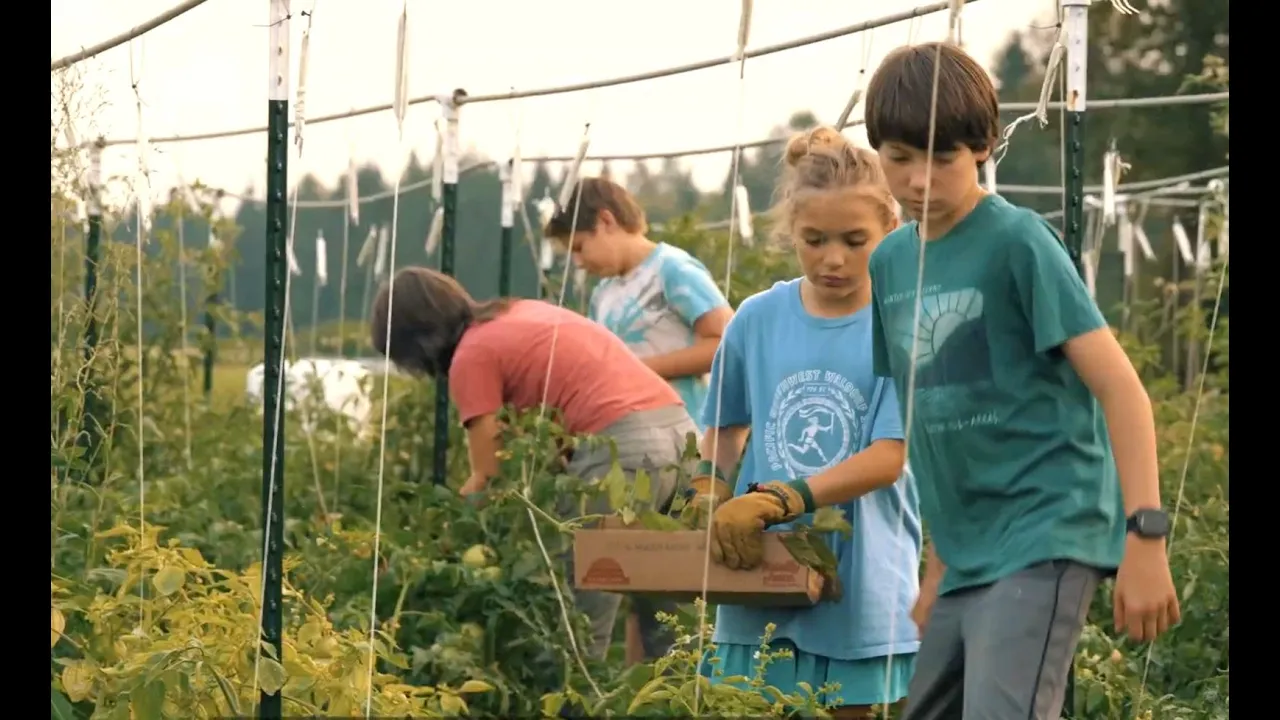

What is Cohousing?
What is Cohousing?
An Introduction to Cohousing Communites
Learn more about how they work and why more people are choosing this way of living.

An Introduction to Cohousing Communites
Learn more about how they work and why more people are choosing this way of living.
An Introduction to Cohousing Communites
Learn more about how they work and why more people are choosing this way of living.
What is Cohousing?
What is Cohousing?
What is Cohousing?
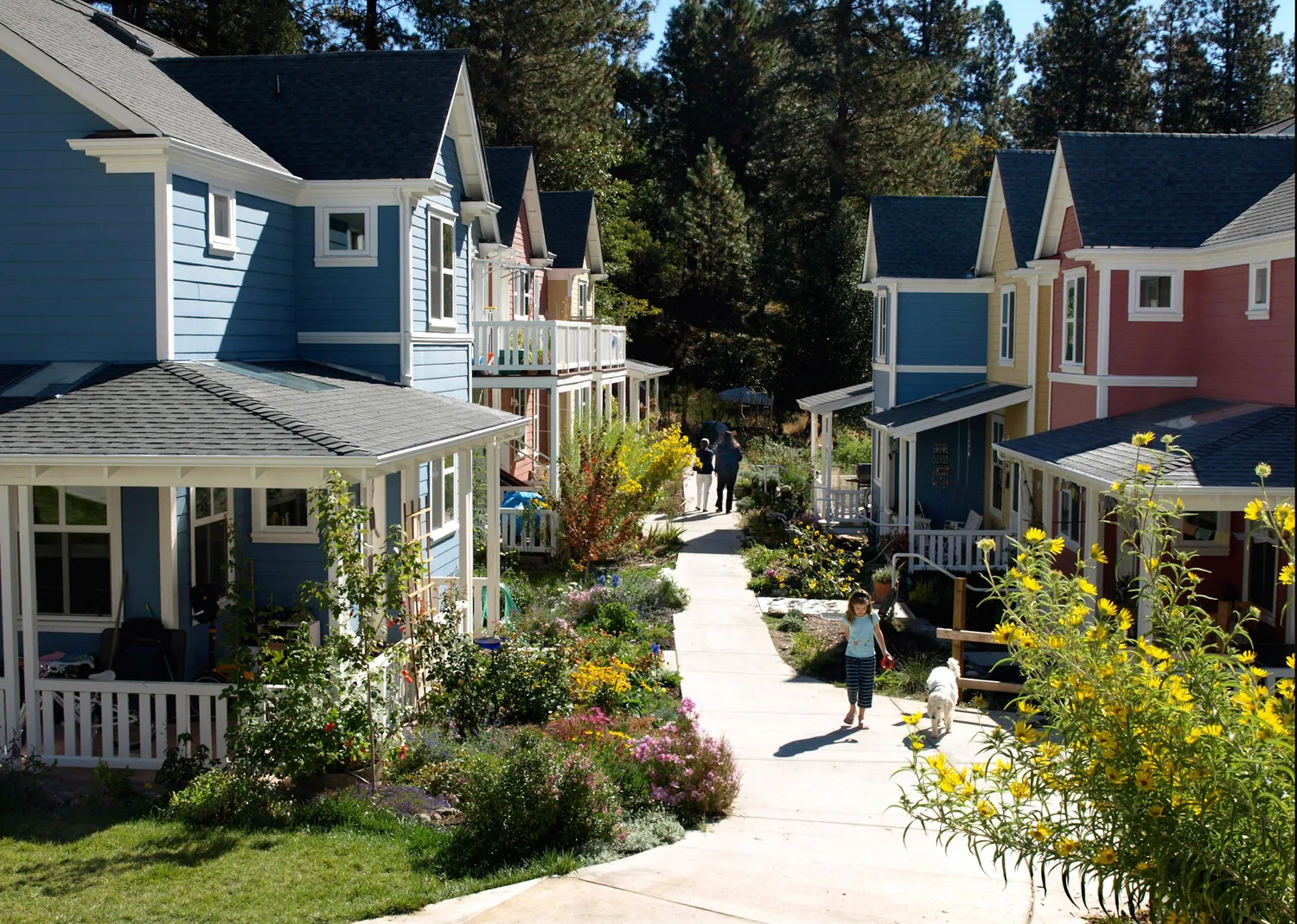
Cohousing is an intentional, collaborative neighborhood model where people live in private homes formed around shared spaces and values.
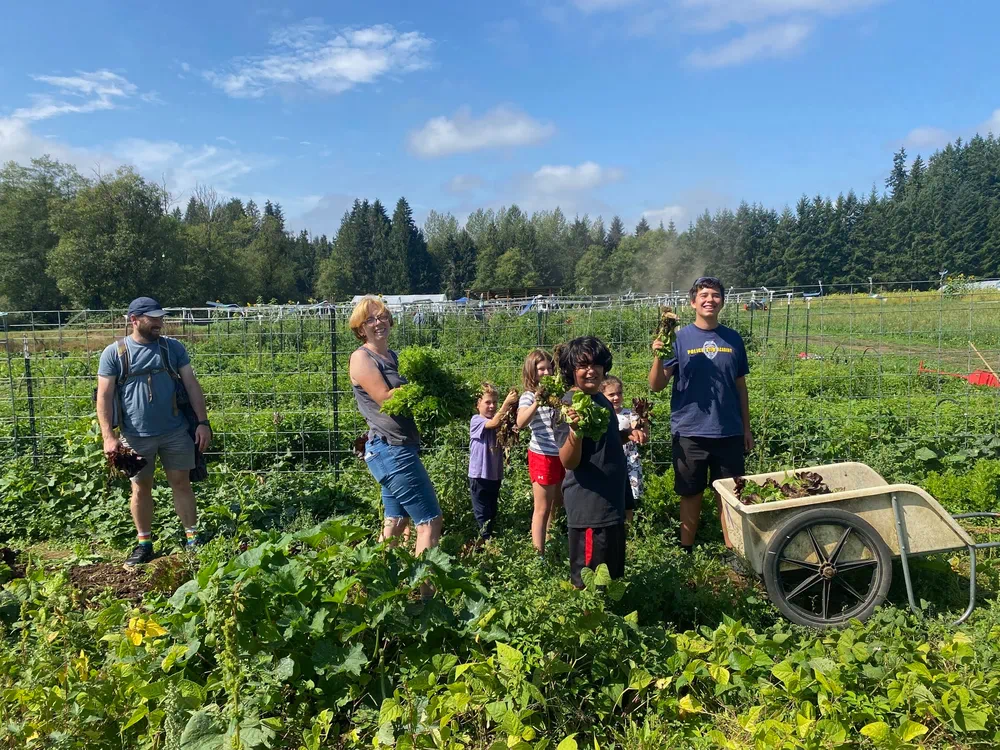
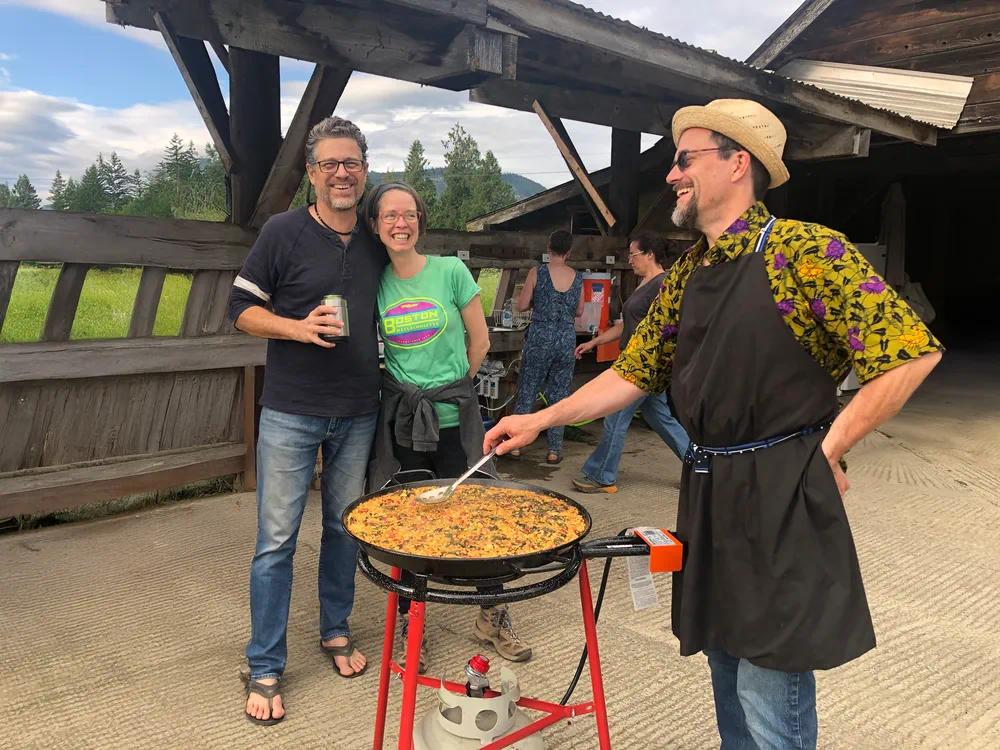
While homes remain fully private, shared spaces like gardens, common houses, and other gathering areas are designed to make regular community interaction easier and help address modern social isolation.
Typically, residents also take part in governing and managing the community together, making decisions about shared resources and how the neighborhood operates.
Cohousing is an intentional, collaborative neighborhood model where people live in private homes formed around shared spaces and values.
While homes remain fully private, shared spaces like gardens, common houses, and other gathering areas are designed to make regular community interaction easier and help address modern social isolation.
Typically, residents also take part in governing and managing the community together, making decisions about shared resources and how the neighborhood operates.
Cohousing is an intentional, collaborative neighborhood model where people live in private homes formed around shared spaces and values.
While homes remain fully private, shared spaces like gardens, common houses, and other gathering areas are designed to make regular community interaction easier and help address modern social isolation.
Typically, residents also take part in governing and managing the community together, making decisions about shared resources and how the neighborhood operates.
Common Characteristics
Common Characteristics
Common Characteristics
These are some core characteristics most cohousing communities share.
Private Homes
Common Spaces

Shared Values
Intentional Design
Long-Term Orientation

Resident Governance
Private Homes
Private Homes
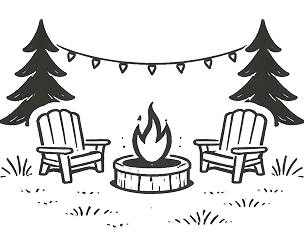
Common Spaces
Common Spaces
Shared Values
Shared Values
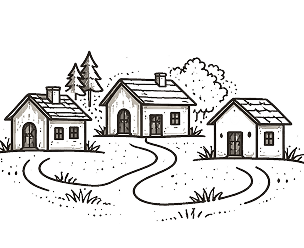
Intentional Design
Intentional Design
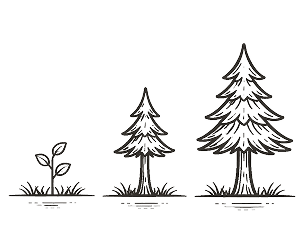
Long-Term Orientation
Long-Term Orientation
Resident Governance
Resident Governance

Different Types of
Cohousing Communities
Common cohousing community types.
Every community is unique with many sharing characteristics across models.

Multigenerational Cohousing
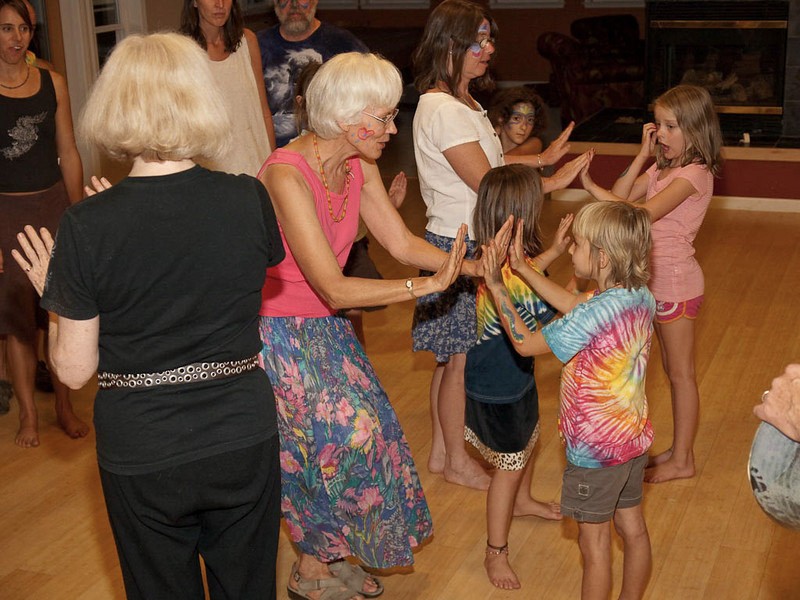
Most cohousing communities are multigenerational, welcoming people of different ages and household types.
This mix of backgrounds and life stages brings balance and depth to a community.

Senior Cohousing
Senior cohousing communities are designed for older adults who want to age in place while staying connected to others.
These communities often have age requirements and place an emphasis on accessibility, mutual support, and longer independence.
Urban Cohousing
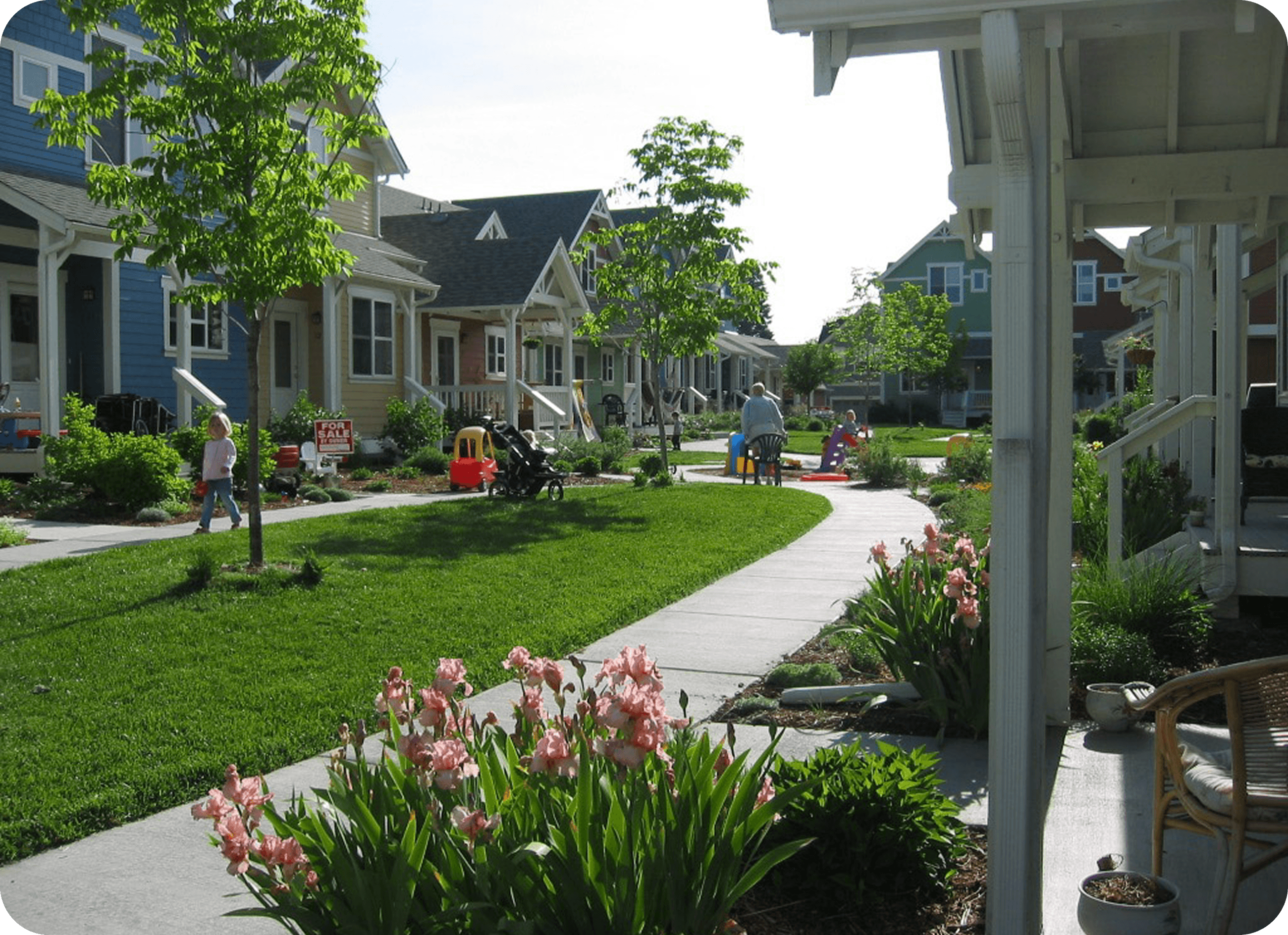
Urban cohousing communities are typically located in cities and tend to be more compact.
They may take the form of a single building or clustered townhomes, with shared spaces designed to support connection within a denser setting.
Rural Cohousing
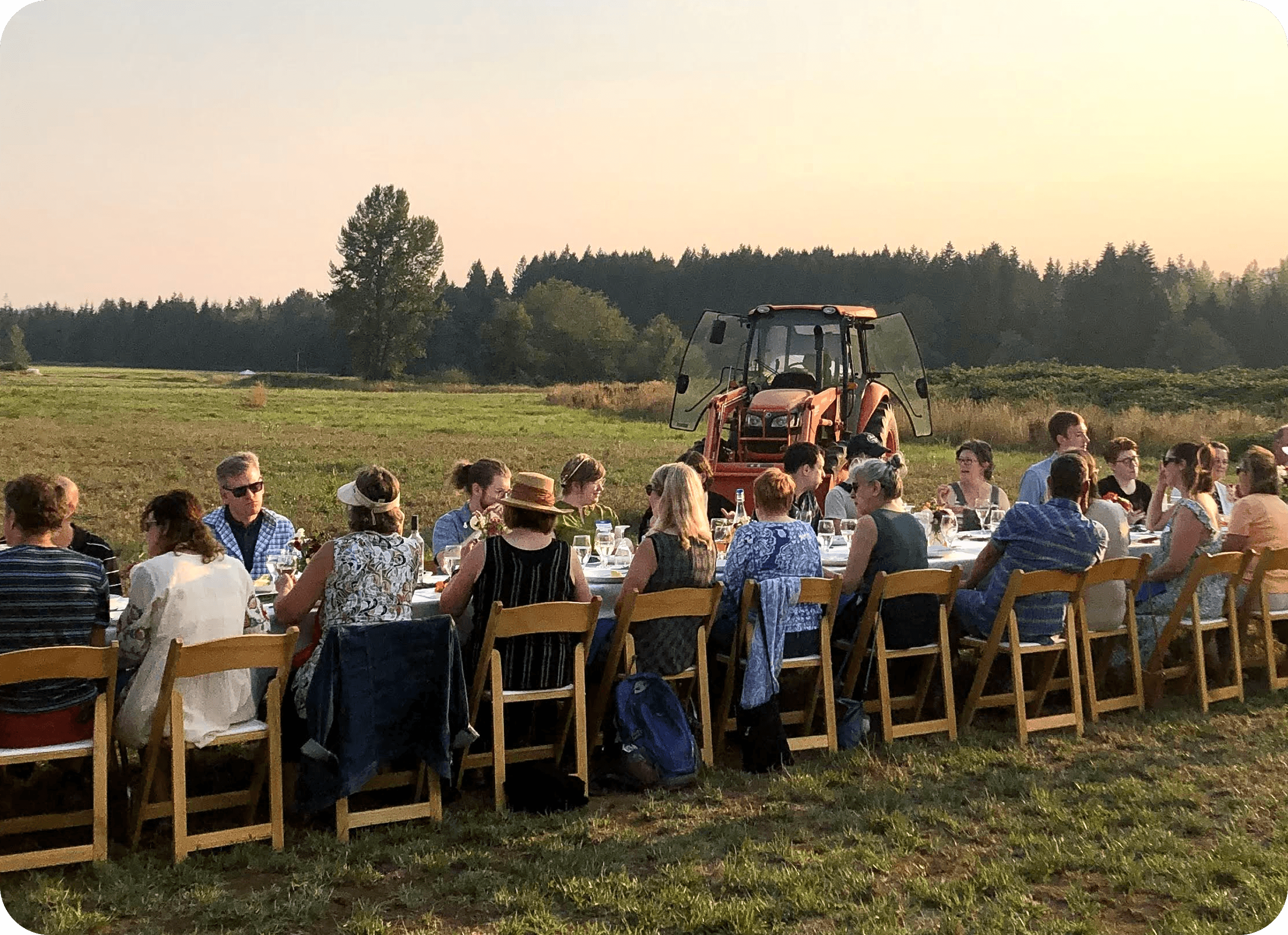
Rural cohousing communities are usually located outside urban centers and often include shared ownership of open land.
Homes are still clustered together, while surrounding space may be used for gardens, farming, or outdoor recreation.
Why Rooted Northwest is Unique
Currently, Rooted Northwest is the only rural cohousing model on farmland.
Most rural zoning does not allow for clustered homes. Our community was approved under a new rural village framework that makes it possible to cluster housing while keeping the surrounding farmland intact.
Mission-Oriented Cohousing
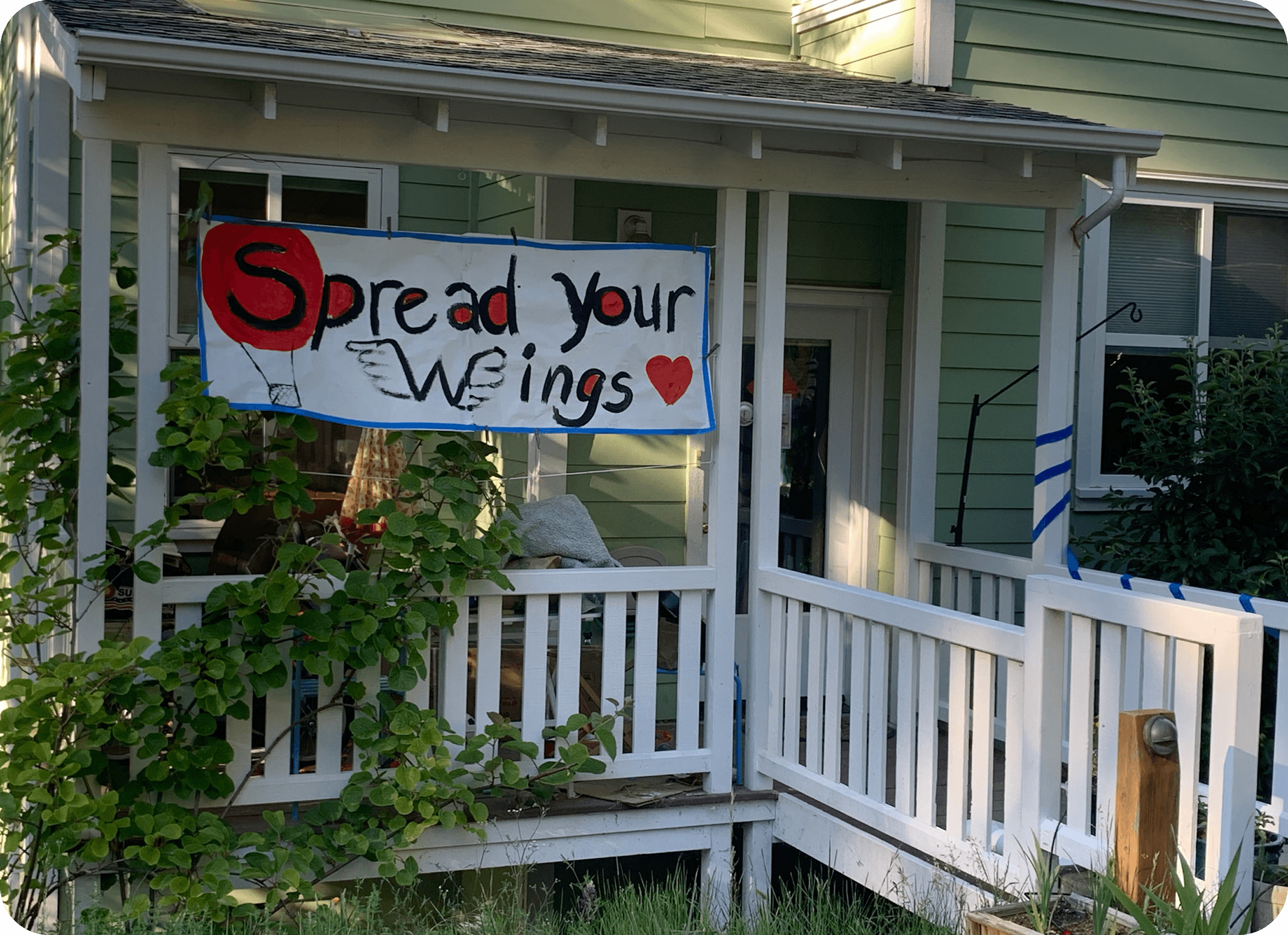
Some cohousing communities come together around a shared intention in addition to living near one another.
These communities may prioritize land preservation adjacent to the community, cultural life, or mutual support.

Retrofit Cohousing
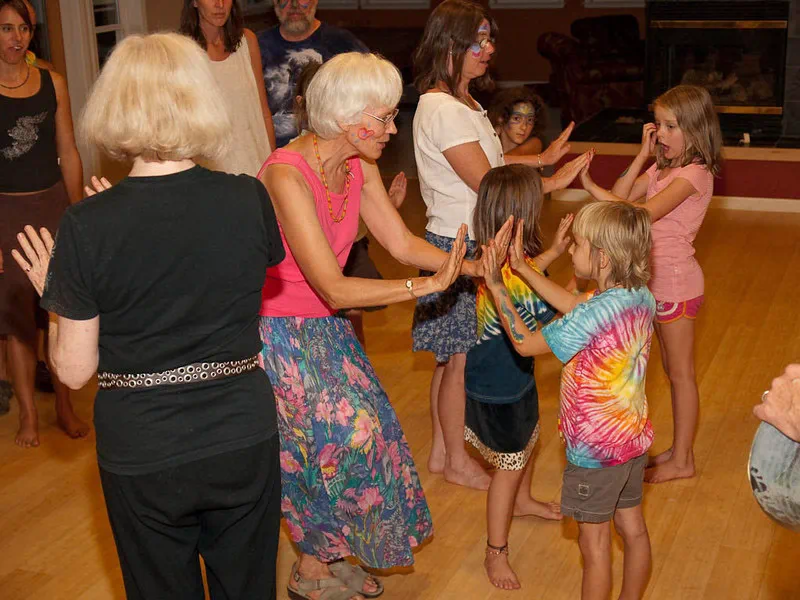
Retrofit cohousing adapts existing buildings or neighborhoods rather than building from the ground up.
This approach allows people to apply cohousing principles within established homes, apartment buildings, or shared properties.
Multigenerational Cohousing
Most cohousing communities are multigenerational, welcoming people of different ages and household types.
This mix of backgrounds and life stages brings balance and depth to a community.
Senior Cohousing
Senior cohousing communities are designed for older adults who want to age in place while staying connected to others.
These communities often have age requirements and place an emphasis on accessibility, mutual support, and longer independence.
Urban Cohousing
Urban cohousing communities are typically located in cities and tend to be more compact.
They may take the form of a single building or clustered townhomes, with shared spaces designed to support connection within a denser setting.
Rural Cohousing
Rural cohousing communities are usually located outside urban centers and often include shared ownership of open land.
Homes are still clustered together, while surrounding space may be used for gardens, farming, or outdoor recreation.
Why Rooted Northwest is Unique
Currently, Rooted Northwest is the only rural cohousing model on farmland.
Most rural zoning does not allow for clustered homes. Our community was approved under a new rural village framework that makes it possible to cluster housing while keeping the surrounding farmland intact.
Mission-Oriented Cohousing
Some cohousing communities come together around a shared intention in addition to living near one another.
These communities may prioritize land preservation adjacent to the community, cultural life, or mutual support.
Retrofit Cohousing
Retrofit cohousing adapts existing buildings or neighborhoods rather than building from the ground up.
This approach allows people to apply cohousing principles within established homes, apartment buildings, or shared properties.
Different Types of
Cohousing Communities
Common cohousing community types.
Every community is unique with many sharing characteristics across models.
Multigenerational Cohousing
Most cohousing communities are multigenerational, welcoming people of different ages and household types.
This mix of backgrounds and life stages brings balance and depth to a community.
Senior Cohousing
Senior cohousing communities are designed for older adults who want to age in place while staying connected to others.
These communities often have age requirements and place an emphasis on accessibility, mutual support, and longer independence.
Urban Cohousing
Urban cohousing communities are typically located in cities and tend to be more compact.
They may take the form of a single building or clustered townhomes, with shared spaces designed to support connection within a denser setting.
Rural Cohousing
Rural cohousing communities are usually located outside urban centers and often include shared ownership of open land.
Homes are still clustered together, while surrounding space may be used for gardens, farming, or outdoor recreation.
Why Rooted Northwest is Unique
Currently, Rooted Northwest is the only rural cohousing model on farmland.
Most rural zoning does not allow for clustered homes. Our community was approved under a new rural village framework that makes it possible to cluster housing while keeping the surrounding farmland intact.
Mission-Oriented Cohousing
Some cohousing communities come together around a shared intention in addition to living near one another.
These communities may prioritize land preservation adjacent to the community, cultural life, or mutual support.
Retrofit Cohousing
Retrofit cohousing adapts existing buildings or neighborhoods rather than building from the ground up.
This approach allows people to apply cohousing principles within established homes, apartment buildings, or shared properties.
Multigenerational Cohousing
Most cohousing communities are multigenerational, welcoming people of different ages and household types.
This mix of backgrounds and life stages brings balance and depth to a community.
Senior Cohousing
Senior cohousing communities are designed for older adults who want to age in place while staying connected to others.
These communities often have age requirements and place an emphasis on accessibility, mutual support, and longer independence.
Urban Cohousing
Urban cohousing communities are typically located in cities and tend to be more compact.
They may take the form of a single building or clustered townhomes, with shared spaces designed to support connection within a denser setting.
Rural Cohousing
Rural cohousing communities are usually located outside urban centers and often include shared ownership of open land.
Homes are still clustered together, while surrounding space may be used for gardens, farming, or outdoor recreation.
Why Rooted Northwest is Unique
Currently, Rooted Northwest is the only rural cohousing model on farmland.
Most rural zoning does not allow for clustered homes. Our community was approved under a new rural village framework that makes it possible to cluster housing while keeping the surrounding farmland intact.
Mission-Oriented Cohousing
Some cohousing communities come together around a shared intention in addition to living near one another.
These communities may prioritize land preservation adjacent to the community, cultural life, or mutual support.
Retrofit Cohousing
Retrofit cohousing adapts existing buildings or neighborhoods rather than building from the ground up.
This approach allows people to apply cohousing principles within established homes, apartment buildings, or shared properties.
Different Types of
Cohousing Communities
Common cohousing community types.
Every community is unique with many sharing characteristics across models.
Multigenerational Cohousing
Most cohousing communities are multigenerational, welcoming people of different ages and household types.
This mix of backgrounds and life stages brings balance and depth to a community.
Senior Cohousing
Senior cohousing communities are designed for older adults who want to age in place while staying connected to others.
These communities often have age requirements and place an emphasis on accessibility, mutual support, and longer independence.
Urban Cohousing
Urban cohousing communities are typically located in cities and tend to be more compact.
They may take the form of a single building or clustered townhomes, with shared spaces designed to support connection within a denser setting.
Rural Cohousing
Rural cohousing communities are usually located outside urban centers and often include shared ownership of open land.
Homes are still clustered together, while surrounding space may be used for gardens, farming, or outdoor recreation.
Why Rooted Northwest is Unique
Currently, Rooted Northwest is the only rural cohousing model on farmland.
Most rural zoning does not allow for clustered homes. Our community was approved under a new rural village framework that makes it possible to cluster housing while keeping the surrounding farmland intact.
Mission-Oriented Cohousing
Some cohousing communities come together around a shared intention in addition to living near one another.
These communities may prioritize land preservation adjacent to the community, cultural life, or mutual support.
Retrofit Cohousing
Retrofit cohousing adapts existing buildings or neighborhoods rather than building from the ground up.
This approach allows people to apply cohousing principles within established homes, apartment buildings, or shared properties.
Multigenerational Cohousing
Most cohousing communities are multigenerational, welcoming people of different ages and household types.
This mix of backgrounds and life stages brings balance and depth to a community.
Senior Cohousing
Senior cohousing communities are designed for older adults who want to age in place while staying connected to others.
These communities often have age requirements and place an emphasis on accessibility, mutual support, and longer independence.
Urban Cohousing
Urban cohousing communities are typically located in cities and tend to be more compact.
They may take the form of a single building or clustered townhomes, with shared spaces designed to support connection within a denser setting.
Rural Cohousing
Rural cohousing communities are usually located outside urban centers and often include shared ownership of open land.
Homes are still clustered together, while surrounding space may be used for gardens, farming, or outdoor recreation.
Why Rooted Northwest is Unique
Currently, Rooted Northwest is the only rural cohousing model on farmland.
Most rural zoning does not allow for clustered homes. Our community was approved under a new rural village framework that makes it possible to cluster housing while keeping the surrounding farmland intact.
Mission-Oriented Cohousing
Some cohousing communities come together around a shared intention in addition to living near one another.
These communities may prioritize land preservation adjacent to the community, cultural life, or mutual support.
Retrofit Cohousing
Retrofit cohousing adapts existing buildings or neighborhoods rather than building from the ground up.
This approach allows people to apply cohousing principles within established homes, apartment buildings, or shared properties.
What Kind of Cohousing Community is Rooted Northwest?
What Kind of Cohousing Community is Rooted Northwest?
What Kind of Cohousing Community is Rooted Northwest?
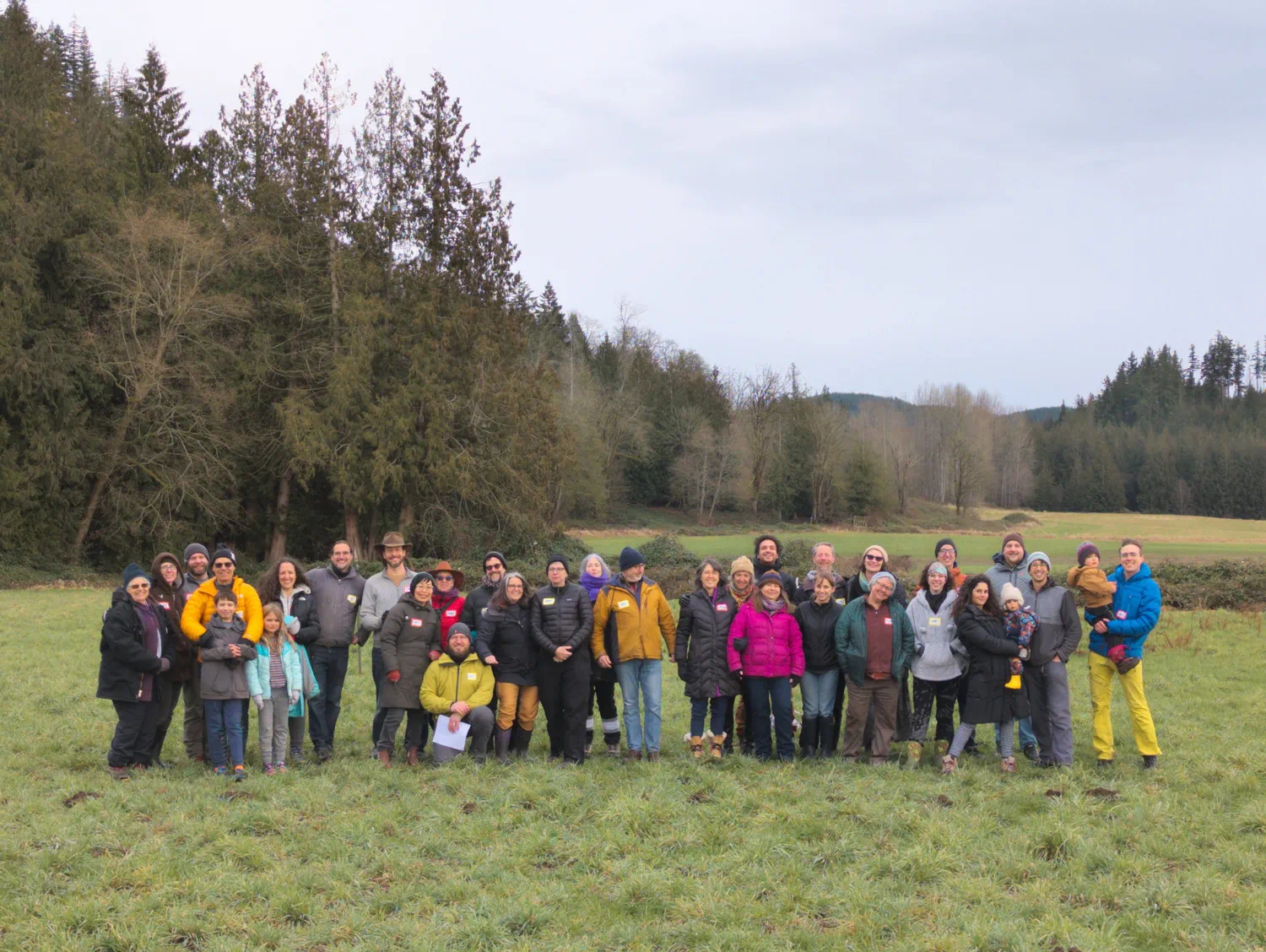
Rooted Northwest brings together elements of several cohousing model.
• Multigenerational - including individuals, couples, cobuyers, families, and seniors.
• Mission-based - with shared commitments in supporting local agriculture, open space & farmland preservation, and land-based education
• Rural - located on 240 acres, with a site design that clusters housing to help protect working farmland and minimize land fragmentation.
Cohousing vs Coliving
Cohousing vs Coliving
Cohousing vs Coliving
Cohousing and coliving are often confused,
as they describe very different housing models.
Cohousing and coliving are often confused, as they describe very different housing models.
Cohousing
Homes: Fully private homes or apartments
Ownership: Private homeownership with HOA
Community Role: Neighbors jointly manage shared spaces and decisions
Length of Stay: Designed for long-term living
Focus: Stability, shared responsibility, and lasting relationships
Coliving
Homes: Rented rooms in shared accommodation
Ownership: Residents do not own their home
Community Role: Limited resident involvement in decisions
Length of Stay: Short- to medium-term rentals
Focus: Convenience, flexibility, and ease of moving in
Why Do People Choose Cohousing Communities?
Why Do People Choose Cohousing Communities?
Why Do People Choose Cohousing Communities?
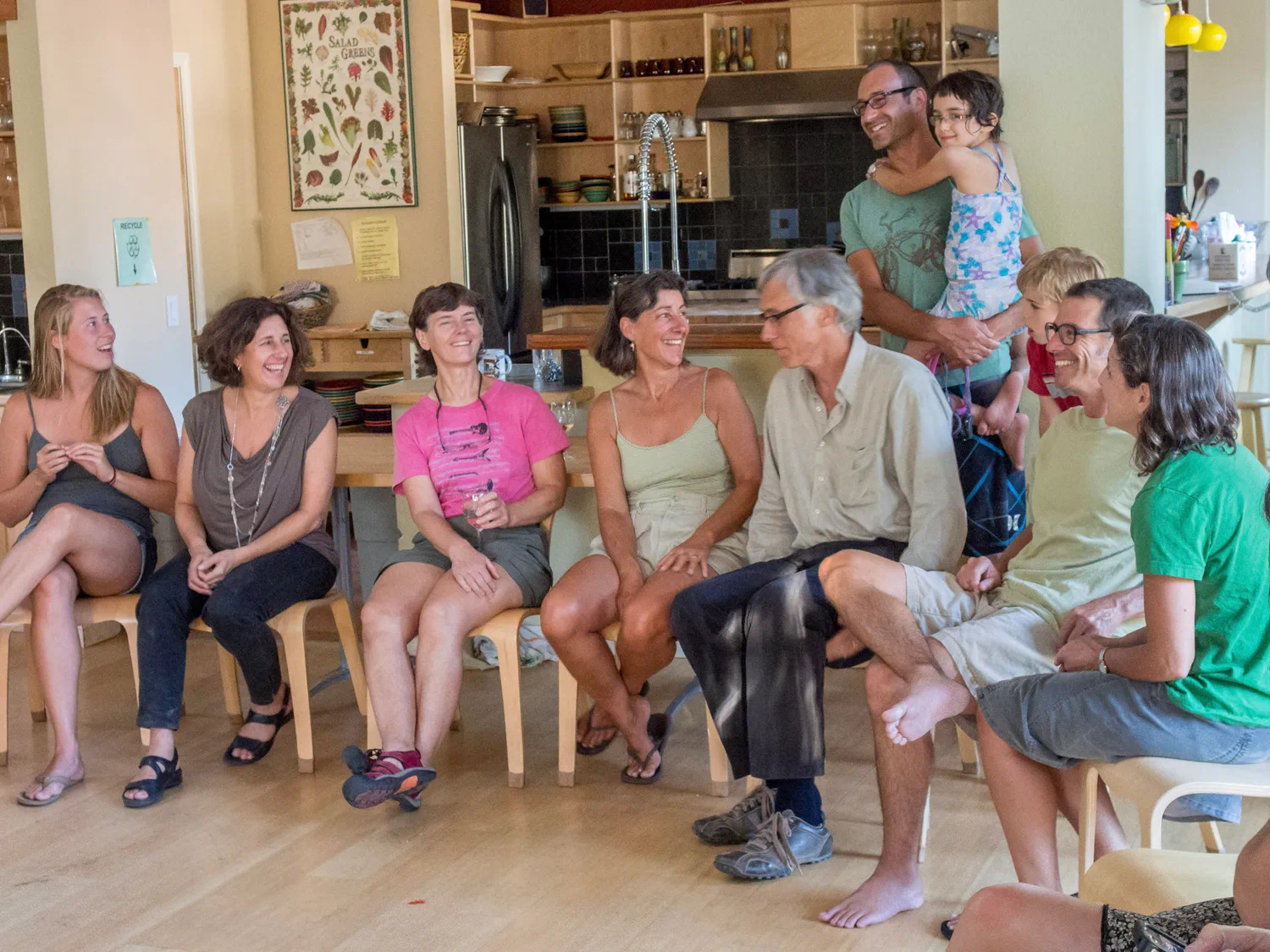
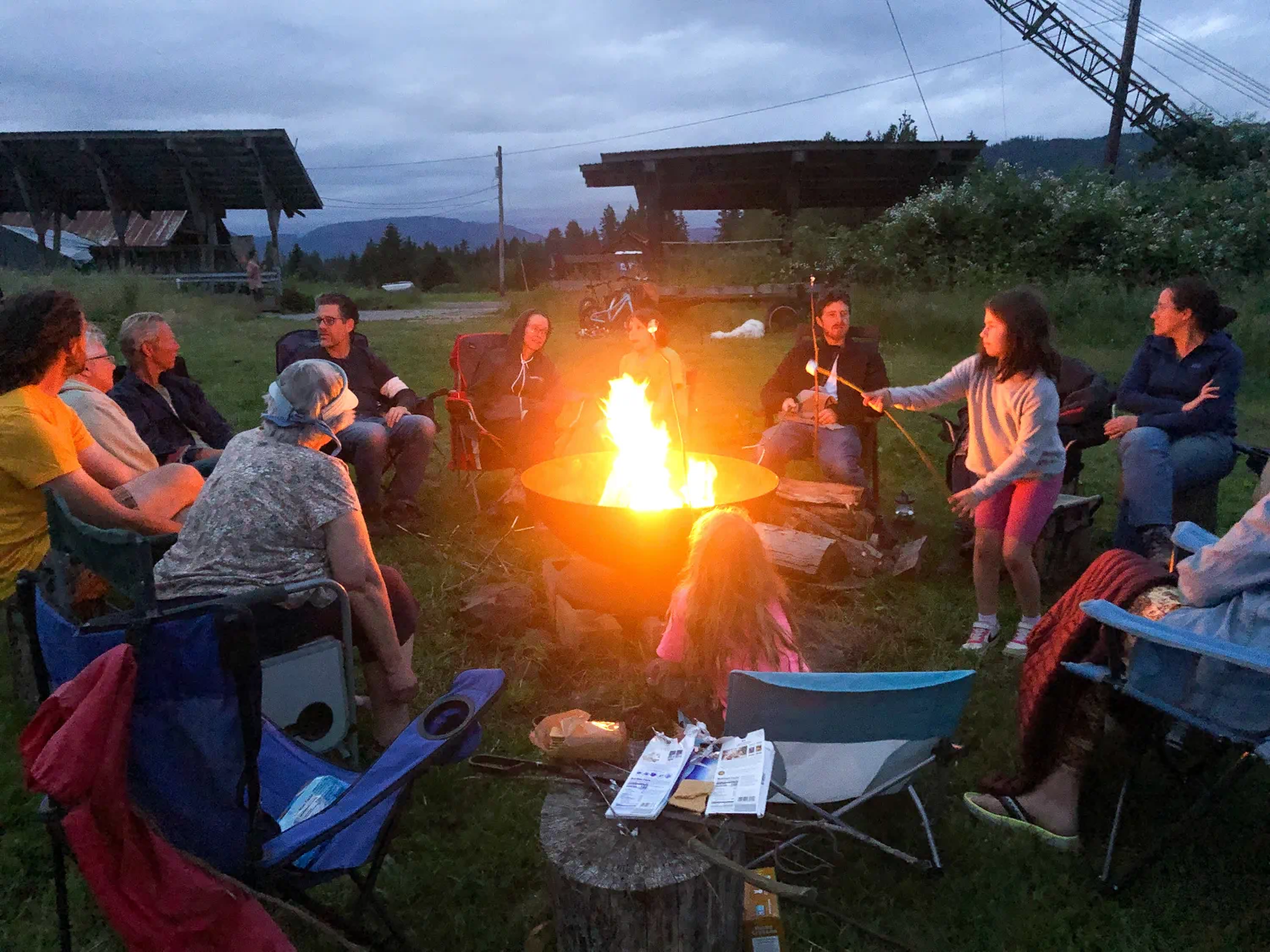
Public health experts point to social connection as an important part of mental and physical well-being.
Yet many conventional neighborhoods lack a sense of community leaving residents feeling detached.
People are choosing cohousing as a way to make social connections part of the fabric of everyday life, helping create a happier and more fulfilling living experience.
What is Living in a Cohousing Community Like?
What is Living in a Cohousing Community Like?
What is Living in a Cohousing Community Like?
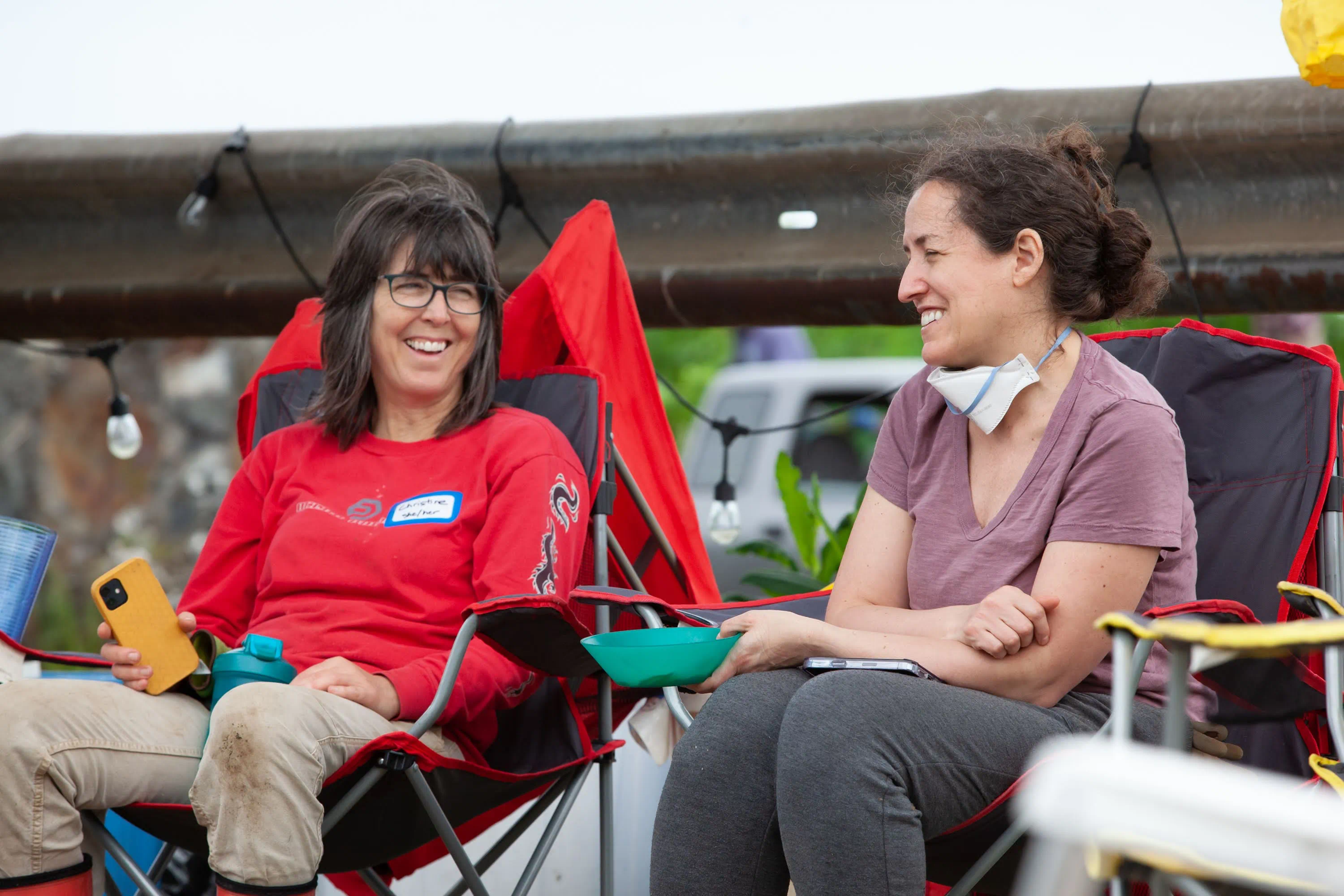
Daily life in a cohousing neighborhood looks different from place to place, but most share the common thread of living in community.
Cohousing brings together those who want to live with greater awareness of the people and place around them.
The result is a collaborative community shaped by common values, built on trust, and grounded in meaningful relationships

Buying a Home in a Cohousing Community
Buying a Home in a Cohousing Community
Buying a Home in a Cohousing Community
Buying a home in a cohousing community often involves more steps than a traditional home purchase, especially in communities that are still forming.
This process is designed to create clarity and alignment, giving buyers a deeper understanding of how the neighborhood functions before committing.
Cohousing
Cohousing
• Learning about the community and its values
• Attending information sessions or discovery calls
• Getting to know current or future residents
• Reviewing governance structures and shared responsibilities
• Making a down payment or purchasing a home once availability opens

Is Cohousing Right for You?
Is Cohousing Right for You?
Is Cohousing Right for You?
Cohousing often resonates with people who value knowing their neighbors, collaborating with others on shared aspects of community life, and living in a place designed to support long-term connection.
For those looking for an alternative to conventional neighborhoods, cohousing offers the balance of community and privacy within a more connected living environment.
FAQs
FAQs
FAQs
While you get to know the land, these are some of the questions people often ask.
While you get to know the land, these are some of the questions people often ask.
Where can I find cohousing homes for sale?
How much time does cohousing require?
What is the typical resale value of a cohousing home?
How is cohousing different from gated communities?
Is cohousing family-friendly?
Where did cohousing originate?
Where can I learn more about cohousing?
Where can I find cohousing homes for sale?
How much time does cohousing require?
What is the typical resale value of a cohousing home?
How is cohousing different from gated communities?
Is cohousing family-friendly?
Where did cohousing originate?
Where can I learn more about cohousing?
Where can I find cohousing homes for sale?
How much time does cohousing require?
What is the typical resale value of a cohousing home?
How is cohousing different from gated communities?
Is cohousing family-friendly?
Where did cohousing originate?
Where can I learn more about cohousing?


Learn More About
Life Here
Learn More About
Life Here
Discover the people, places, and shared values that bring this village to life.
Discover the people, places, and shared values that bring this village to life.





Copyright © 2025 Rooted Northwest All Rights Reserved.
Website by Growing Commons
Copyright © 2025 Rooted Northwest All Rights Reserved.
Website by Growing Commons
Copyright © 2025 Rooted Northwest All Rights Reserved.
Website by Growing Commons
Copyright © 2025 Rooted Northwest All Rights Reserved.
Website by Growing Commons